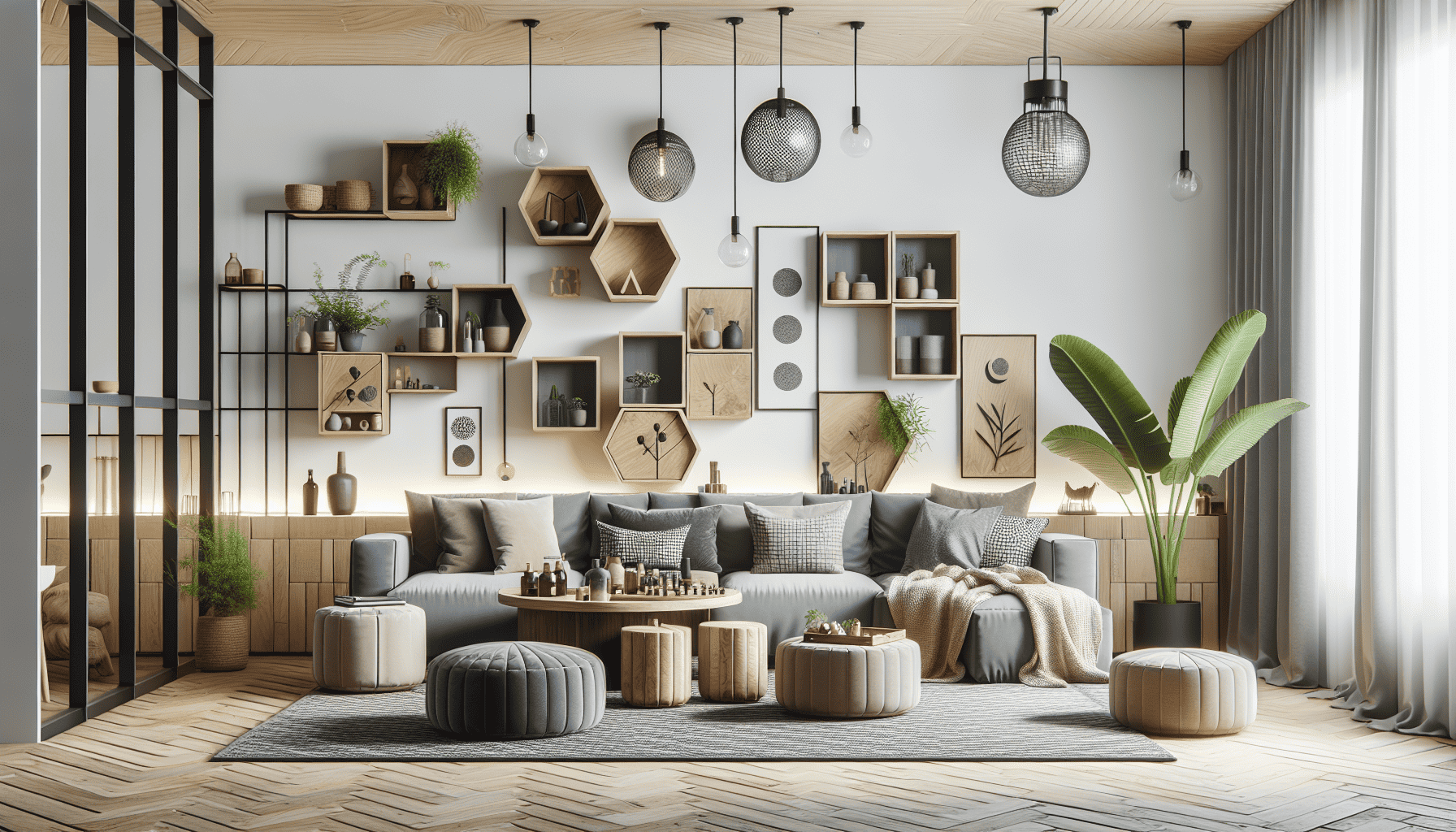
In today's world, where environmental concerns are becoming increasingly paramount, the demand for sustainable living solutions is on the rise. This trend significantly influences the design and production of furniture, with eco-friendly options gaining popularity across the US market. Exploring these sustainable choices not only benefits the planet but also enriches our living spaces with unique, responsibly crafted pieces.
One of the cornerstones of eco-friendly furniture is the use of sustainable materials. Brands are turning to options like reclaimed wood, bamboo, and recycled metals, each offering a distinctive aesthetic while minimizing environmental impact. Reclaimed wood, for instance, provides a rustic charm and tells a story of its own, often coming from old barns or buildings. Bamboo, known for its rapid growth, is a highly renewable resource that offers strength and versatility in furniture design. Recycled metals reduce the need for new raw materials, offering a modern industrial vibe to interiors.
In addition to materials, the manufacturing processes of these furniture options are designed to reduce waste and emissions. Several companies are adopting closed-loop production methods, where waste products are repurposed back into the production cycle. This not only conserves resources but also aligns with a zero-waste philosophy, minimizing the ecological footprint.
Upholstery is another area undergoing a green revolution, with many companies opting for organic fabrics or innovative materials like PET yarn, which is made from recycled plastics. Low-impact dyes and non-toxic finishes ensure that the final product is safe for both consumers and the environment, without compromising on style or comfort.
Support for local artisans and manufacturers is also a growing trend within the eco-friendly furniture movement. By purchasing locally produced items, consumers can reduce the carbon footprints associated with transportation and support sustainable economic practices. Local businesses often focus on quality craftsmanship, ensuring that furniture pieces are not only sustainable but also durable and unique.
Furthermore, the design principles underlying eco-friendly furniture are heavily influenced by minimalism and multifunctionality. The focus is on creating timeless pieces that offer maximum utility with minimal materials. This not only caters to small-space living but also encourages consumers to invest in fewer, higher-quality items that stand the test of time.
As awareness on sustainability continues to grow, consumers are playing an active role in demanding transparency and sustainability from furniture brands. Embracing eco-friendly furniture is more than just a trend; it is part of a broader lifestyle commitment to reduce our impact on the planet. From choosing pieces made with sustainable materials to supporting brands that prioritize ethical production methods, every decision can contribute to a healthier planet.
In conclusion, the shift towards sustainable living is making significant strides within the furniture industry. Through innovative materials, eco-conscious production practices, and a commitment to quality and longevity, eco-friendly furniture presents a compelling option for those seeking to furnish their homes while staying true to their sustainable values. By embracing these choices, we not only enhance our living spaces but also take meaningful steps towards preserving our planet for future generations.